About This 1-Story Victorian Fire Training Simulator
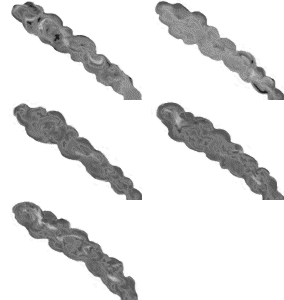
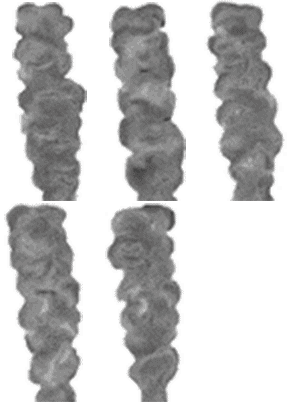
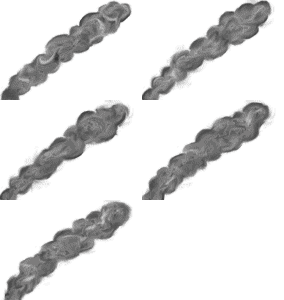
Victorian-style wood frame homes present unique size-up challenges including older construction, balloon framing risks, and ornate exterior features that can mask fire conditions. Use this simulator for company officer development, recruit training, and incident command drills. Drag and drop fire and smoke elements onto the photo to build custom scenarios, then talk through your size-up and first-arriving decisions with your crew. It is free, runs in the browser on desktop and mobile, and needs no software installation.
How to Use It
- Study the photo for a minute as if you were the first-arriving officer on scene.
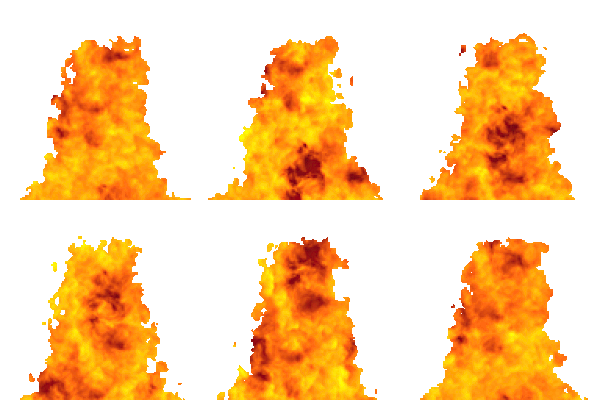
- Drag fire, smoke, wind-driven smoke, and personnel onto the scene to create a scenario.
- Give your size-up report and initial action plan, then change the scenario and repeat.
Size-Up Considerations for a 1-Story Victorian
- Construction: Older wood frame with wood siding. Many Victorian-era homes use balloon framing, where wall cavities run open from the foundation to the attic, so fire can travel up inside the walls with little visible fire at floor level.
- Exterior features: Porches, bay windows, ornate trim, and several roof planes can hide fire conditions and complicate ventilation and ladder placement.
- Roof and attic: Steep or complex roofs often cover large attic spaces. Think about how fire could spread through the attic and where you would ventilate.
- Floors and foundation: Many older homes have raised floors over a crawl space. Fire below the floor can weaken it and may not show until it is well advanced.
- Occupancy: A single-family home, but older homes may have been remodeled or converted. Consider the time of day and the likelihood of occupants.
- Photo check: Before you decide on a plan, look at the spacing to neighboring buildings, overhead lines, parked vehicles, and access for apparatus.
Practice Scenarios
- Smoke pushing from the eaves with no visible fire. Where would you look next?
- Fire on the front porch extending toward the roof and the front rooms.
- Fire in the crawl space with smoke showing around the foundation.
- Attic fire with wind pushing flames and smoke toward a neighboring building.
Discussion Questions
- What are your first three observations on arrival, and what do they tell you?
- How might balloon framing change where you look for fire extension?
- What is the greatest life hazard, and what is your first priority?
- Which hoseline goes where, and what resources would you request?
- What would make you change from an offensive to a defensive strategy?
This tool is for training discussion only. Always follow your own department's standard operating procedures and local protocols.