About This Airport 2 Fire Training Simulator
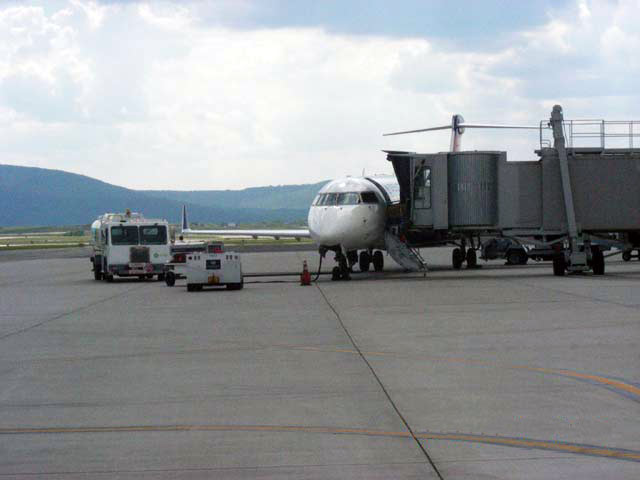
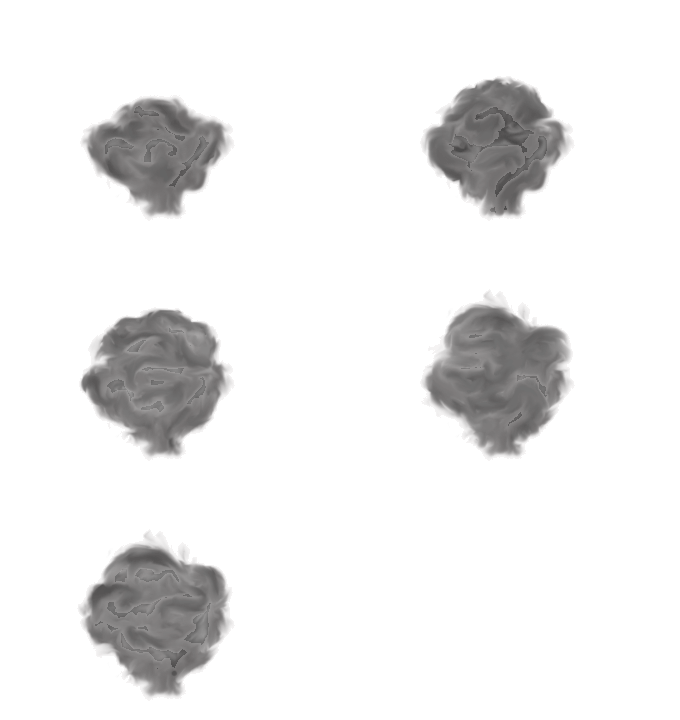
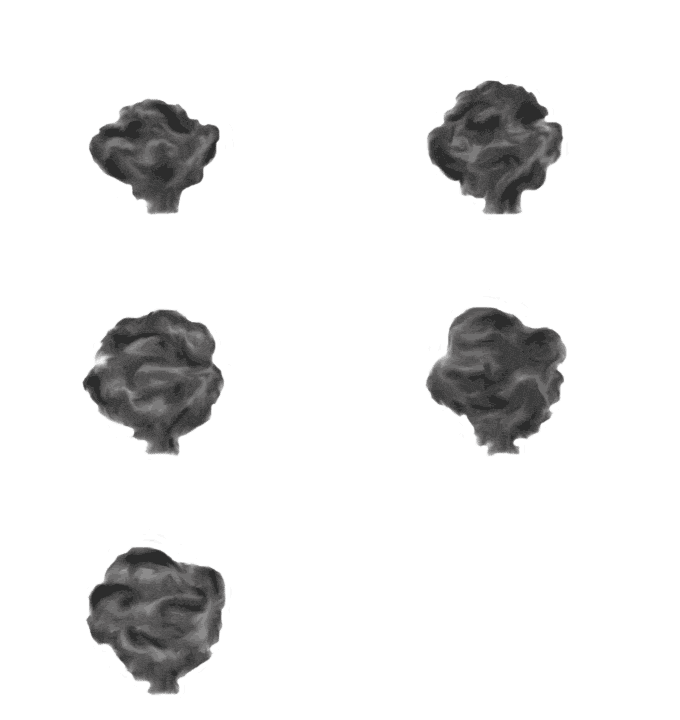
Airport 2 presents a different aircraft and ramp configuration for incident commanders and ARFF crews to practice size-up and tactical deployment. Drag and drop smoke and fire onto the photo to simulate fuel fire spread, exposure risks, and the access challenges that are unique to airport emergency response. It is free, runs in the browser on desktop and mobile, and needs no installation.
How to Use It
- Study the photo for a minute as if you were the first-arriving officer on scene.
- Drag fire, smoke, wind-driven smoke, and personnel onto the scene to create a scenario.
- Give your size-up report and initial action plan, then change the scenario and repeat.
Size-Up Considerations for an Airport Ramp Incident
- Life safety: Passengers and crew come first. Decide how people will leave the aircraft (doors, slides, boarding bridge, or stairs) and how fire control can protect that escape path.
- Fuel: Aircraft carry large fuel loads, and a fuel spill can spread fire quickly under and around the fuselage. Look for the source, where the fuel will flow, and how you would apply foam.
- Wind and approach: Wind direction and slope affect fire spread, smoke movement, and where apparatus can safely stand. ARFF crews generally try to approach from upwind and uphill.
- Aircraft hazards: Stay clear of engine inlet and exhaust areas, and watch for hot brakes and landing gear.
- Coordination: Airport operations and the control tower need to be notified and kept informed, and other vehicles and aircraft must be kept away from the scene.
- In the photo: a passenger jet is parked at a boarding bridge, with what appears to be a fuel truck and other ground vehicles near the aircraft on a wide, open apron. Think about how the bridge, the vehicles, and the open space affect evacuation, exposures, and apparatus access.
Practice Scenarios
- A fuel spill and fire under the aircraft near the fuel truck while passengers are on board.
- Fire at an engine with passengers still on board and the boarding bridge attached.
- Fire in ground support vehicles near the nose with wind pushing smoke toward the bridge.
- Smoke showing from a cargo area with the fire location unknown.
Discussion Questions
- What are your first three observations on arrival, and what do they tell you?
- What is the greatest life hazard, and how would you protect the escape path?
- Where would you position the first apparatus relative to the wind, and why?
- What would you do about the boarding bridge and the fuel truck?
- What additional resources would you request, and when?
This tool is for training discussion only. Always follow your own department's standard operating procedures and local protocols.