About This Parking Garage Fire Training Simulator
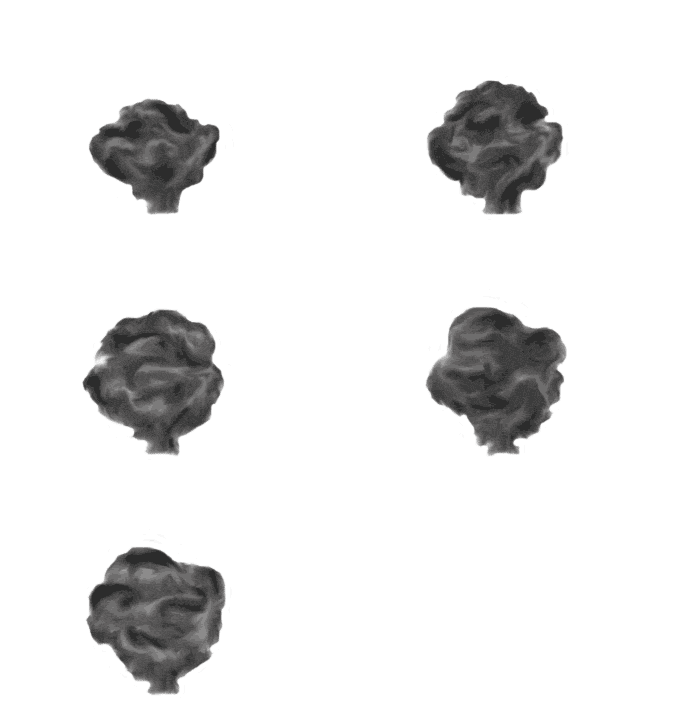
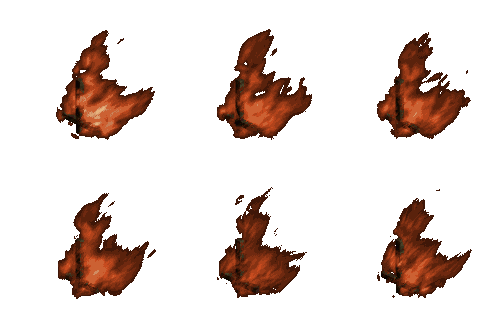
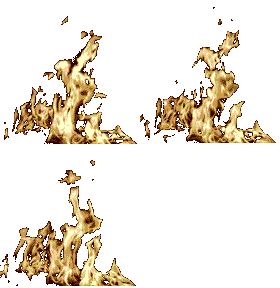
Practice incident command and fireground decision-making for multi-level parking structure fires. Open-air parking garages present unique challenges including sloped decks, difficult hose deployment, vehicle fire exposures, structural heat damage, and limited access to upper levels. Electric vehicle (EV) battery fires add a critical new dimension: lithium-ion thermal runaway produces intense, sustained heat that can resist conventional suppression and reignite hours after knockdown. Drag and drop fire and smoke onto the photo to build multi-vehicle and multi-level scenarios. It is free, runs in the browser on desktop and mobile, and needs no software installation.
How to Use It
- Study the photo for a minute as if you were the first-arriving officer on scene.
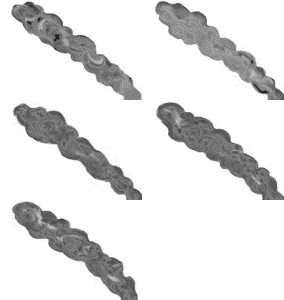
- Drag fire, smoke, wind-driven smoke, and personnel onto the scene to create a scenario.
- Give your size-up report and initial action plan, then change the scenario and repeat.
Size-Up Considerations for a Parking Garage Fire
- Access to upper levels: Stairs, elevators, and ramps are your routes in and your routes out for civilians. Many garages have standpipes, so find out where the connections are and whether they work.
- Sloped decks and hose: Sloped decks and long distances make hose deployment slow. Think about where you will stretch lines and where runoff will go.
- Vehicle exposures: Vehicles parked close together let fire spread from car to car, so decide early which exposure to protect.
- EV battery fires: Thermal runaway can produce intense, sustained heat, resist suppression, and reignite hours after knockdown. Plan for a long incident and follow your own department's EV procedures.
- Structural heat damage: A long-burning fire can damage the structure. Think about how long the fire has burned and where crews and apparatus are positioned.
- Smoke: Open decks let smoke vent, but the lower levels and stair towers can still fill. Watch where the smoke goes.
- In the photo: the structure has several open-sided decks, a stair and elevator tower at the right, and a ground-level entrance below. Street trees partly screen the lower levels, and a fire hydrant stands at the corner on the left. Think about where apparatus would stand, how crews would reach the upper decks, and where the water supply would come from.
Practice Scenarios
- A single vehicle fire on a middle deck.
- An EV battery fire with thermal runaway on an upper deck.
- A multi-vehicle fire with civilians on an upper level.
- A fire near the stair tower that blocks the exit.
Discussion Questions
- What are your first three observations on arrival, and what do they tell you?
- How would you approach an EV battery fire differently from a standard vehicle fire?
- What is the greatest life hazard, and what is your first priority?
- Which hoseline goes where, and what resources would you request?
- What would make you change from an offensive to a defensive strategy?
This tool is for training discussion only. Always follow your own department's standard operating procedures and local protocols.