About This Large 2-Story Residential Fire Training Simulator
Large two-story residential structures present complex size-up challenges: greater square footage, multiple access points, extended search areas, and higher water supply demands. This simulator is ideal for incident commanders and company officers practicing resource deployment, exposure protection, and interior attack decisions on high-value residential occupancies. Drag and drop fire and smoke onto the photo to build scenarios, then talk through your size-up and plan with your crew. It is free, runs in the browser on desktop and mobile, and needs no software installation.
How to Use It
- Study the photo for a minute as if you were the first-arriving officer on scene.
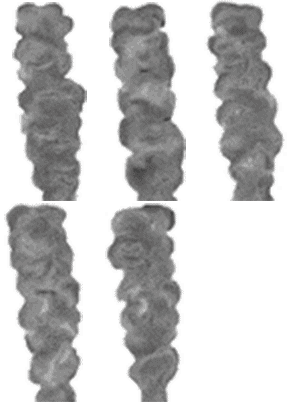
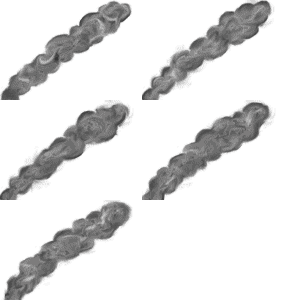
- Drag fire, smoke, wind-driven smoke, and personnel onto the scene to create a scenario.
- Give your size-up report and initial action plan, then change the scenario and repeat.
Size-Up Considerations for a Large 2-Story Home
- Area and travel distance: A large footprint means longer hose stretches, longer search times, and more places for fire to spread before you find it.
- Resources: Request additional resources early. Large homes usually need more lines, more search teams, and more water than a typical single-family house.
- Water supply: Higher fire flow needs make the location of hydrants and your water supply plan part of the first-arriving size-up.
- Access points: Multiple doors, a garage, and possible walk-out levels give you attack options, but they also give fire and smoke more ways to travel.
- Construction: Newer large homes may use lightweight engineered floor and roof components. These can fail sooner in a fire than traditional lumber, so consider collapse risk and how long the fire has been burning.
- 360 size-up: You may not see the fire from the front. Think about what you would look for on the sides and rear before you commit crews.
- Photo check: Before you decide on a plan, look at the spacing to neighboring buildings, overhead lines, parked vehicles, and access for apparatus.
Practice Scenarios
- Fire in an attached garage extending into the attic.
- Heavy smoke from the second floor with unknown occupants.
- A basement or lower-level fire with smoke showing at several points.
- Fire at the rear (Side C) that cannot be seen from the street.
Discussion Questions
- What are your first three observations on arrival, and what do they tell you?
- Which resources would you request on arrival, and what would you request next?
- Where would you place the first and second lines?
- How would you divide search and exposure protection between crews?
- What would make you change from an offensive to a defensive strategy?
This tool is for training discussion only. Always follow your own department's standard operating procedures and local protocols.