About This Strip Mall Fire Training Simulator
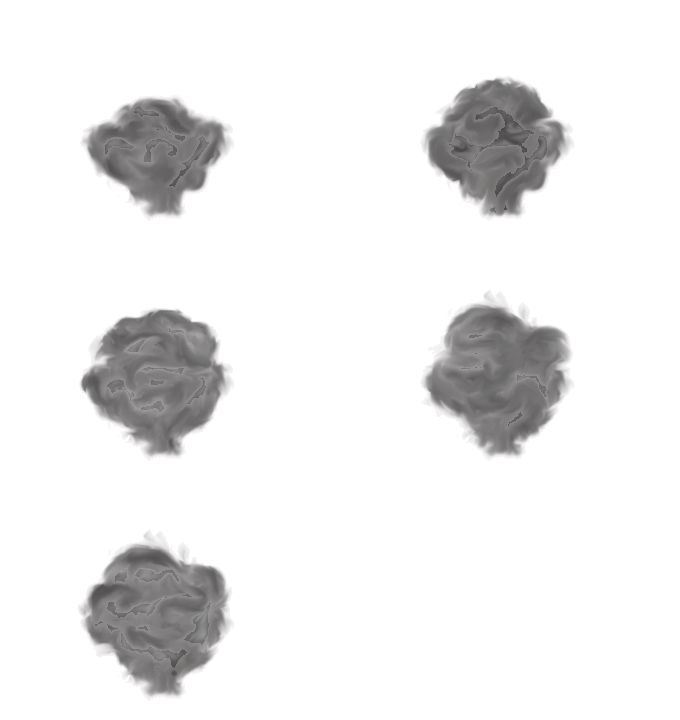
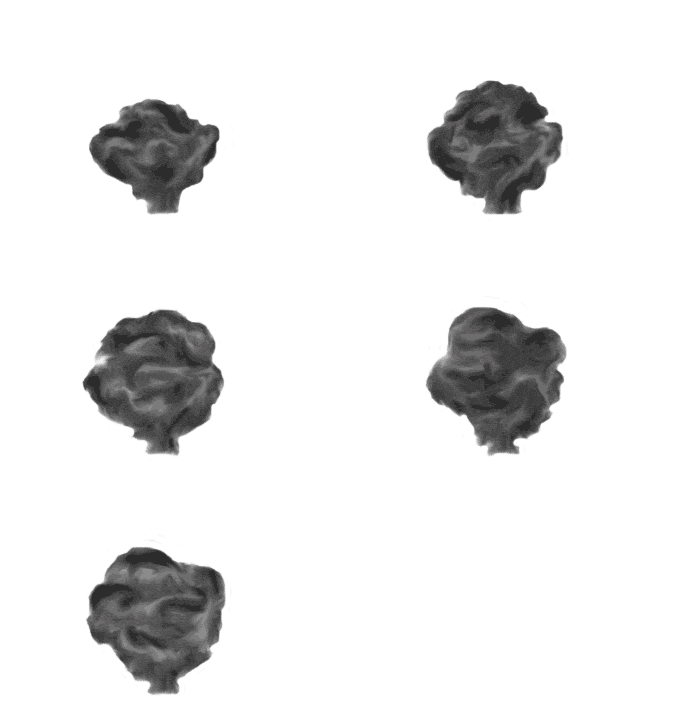
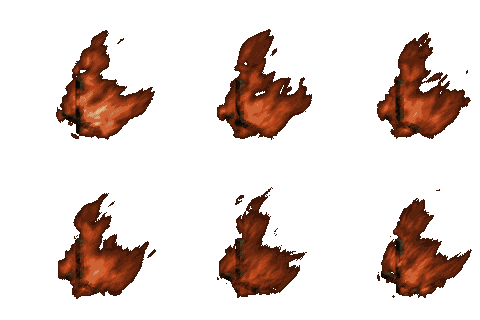
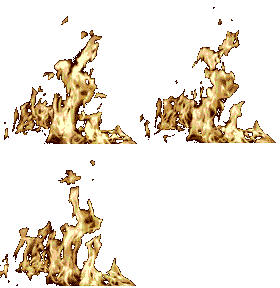
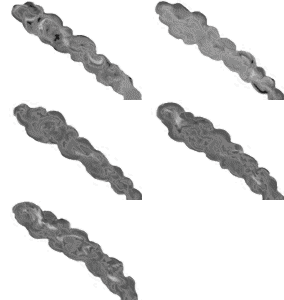
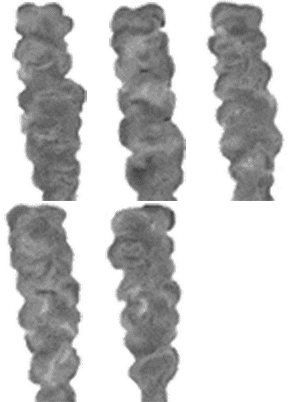
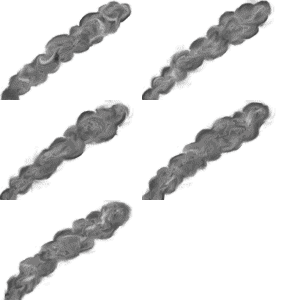
Strip mall fires present serious challenges including common attic spaces, shared walls, and high fire load from varied occupancies. Incident commanders must rapidly assess exposure risk, utility control, and access limitations. Use this simulator for commercial fire size-up drills, officer development, and command training. See also our Strip Mall Death and Injury Prevention case study. Drag and drop fire and smoke onto the photo to build scenarios. It is free, runs in the browser on desktop and mobile, and needs no software installation.
How to Use It
- Study the photo for a minute as if you were the first-arriving officer on scene.
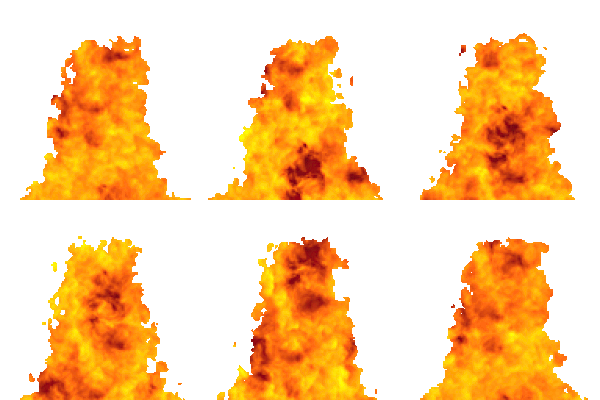
- Drag fire, smoke, wind-driven smoke, and personnel onto the scene to create a scenario.
- Give your size-up report and initial action plan, then change the scenario and repeat.
Size-Up Considerations for a Strip Mall
- Common attic: A shared attic or cockloft over several shops can let fire spread across occupancies, well away from where it started.
- Shared walls and occupancies: Each shop has its own contents and hazards, such as cooking equipment, dryers, or chemicals. Ask what each occupancy holds before you commit crews.
- Roof: Lightweight roof construction may fail early. Think carefully about roof operations and where crews will be working.
- Utilities: Gas and electric control matters early. Decide who shuts down which utility and when.
- Exposures and access: Think about the buildings next door, the front lot, and whether crews can reach the rear of the shops.
- In the photo: a single row of shops, including a coin laundry, a hair salon, and a pizza restaurant, shares one sloped roof. A larger building stands next door on the left and a parking lot full of cars is in front. Palm trees and utility lines are nearby. Think about which shop is likely involved first, how far the attic could carry fire, and where apparatus would stand.
Practice Scenarios
- Fire in a middle shop with smoke showing from the shared roof.
- Fire in the restaurant at the end of the row spreading into the attic.
- Fire at the rear of the row with little visible from the front.
- Wind-driven fire spreading from shop to shop toward the building next door.
Discussion Questions
- What are your first three observations on arrival, and what do they tell you?
- What are your options for controlling fire spread through a common attic?
- What is the greatest life hazard, and what is your first priority?
- Which hoseline goes where, and what resources would you request?
- What would make you change from an offensive to a defensive strategy?
This tool is for training discussion only. Always follow your own department's standard operating procedures and local protocols.